
Updated: September 2026
Yes, foreigners can own property in Vietnam — as a 50-year renewable leasehold capped at 30% of units per condominium building and 250 landed houses per ward under Articles 19 and 20 of the Housing Law 2023 (Law No. 27/2023/QH15), with procedures detailed in Decree 95/2024/ND-CP.
Last Tuesday a Hong Kong-based buyer asked us a simple question: should I wait for prices in central Ho Chi Minh City to cool, or move now on a Thu Duc project next to the new metro? He wasn't chasing a bargain. He wanted to know where foreign capital is actually going, what he'll own on paper, and how he'll get money out later. That's the heart of this market right now.
Vietnam's residential market has shifted from broad speculation to selective, infrastructure-led buying. For foreign investors, the rules that shape that buying haven't changed in principle, but they are clearer than they were two years ago under the Housing Law 2023 and Decree 95/2024/ND-CP. Here's what that means if you're looking from outside Vietnam.
Where is foreign demand actually concentrating?
Overseas buyers aren't spreading evenly across the country. They're clustering.
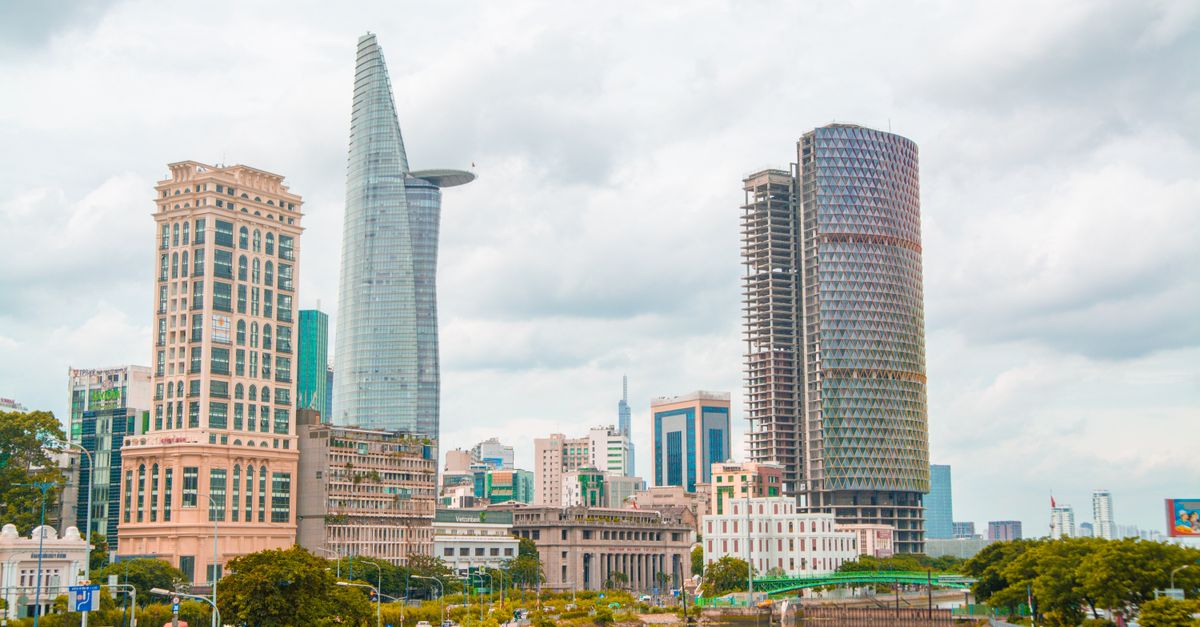
In Ho Chi Minh City, interest has moved east. Thu Duc, Thao Dien and the Thu Thiem peninsula keep drawing foreign enquiries because Metro Line 1 is operational, international schools and hospitals are already there, and the expat renter pool is deep. In Ha Noi, the west — Cau Giay, Nam Tu Liem, Tay Ho — sees steady demand from Korean and Japanese tenants, which pulls investors who want liquidity on exit. Further south, Binh Duong and the industrial belt around Ho Chi Minh City attract buyers who follow factories and FDI, not lifestyle.
That's practical, not hype. You'll rent faster and resell easier where tenants already live. In practice, most overseas buyers who close prefer large, professionally managed townships and high-rise condominiums with foreign quota available, rather than isolated boutique projects. Management matters — a building that handles handovers, leasing and resale documentation well saves you months later.
National averages hide the street-level reality. A project 300 meters from a metro station and one 3 kilometers away can behave like two different markets. Look at tenant depth, not just renders.
What should you watch on the ground before you buy?
- Is the infrastructure completed and usable today? Roads, bridges and operating metro stations move rents before they move prices.
- Who will rent from you? Near industrial parks and international schools, your tenant base is visible. Ask the developer for a breakdown of current tenants by nationality and lease length.
- What is the developer's track record on handover and Pink Book issuance? For foreign buyers, on-time Pink Book issuance matters more than a show flat. Ask for the building's quota status in writing.
What does foreign ownership actually give you — and what doesn't it?
Most confusion still sits here. Foreign buyers hear “50 years” and assume it's a short lease that disappears. It's not. You don't buy on a handshake either. You buy through a formal, banked process.
The pathway is standardized and documented.
You purchase via an official Sale and Purchase Agreement (SPA) directly with the developer, pay through a regulated bank channel in Vietnam, and on completion you receive a Pink Book (Certificate of Land Use Rights and Ownership of House and Other Assets Attached to Land) issued in your name. Foreign buyers hold a 50-year leasehold, renewable under Article 20 of the Housing Law 2023, with procedures detailed in Decree 95/2024/ND-CP. At expiry you can apply to extend. It's not automatic, but the law provides for renewal, and extensions are processed when the owner applies in line with regulations in effect at that time.
The real constraint is quota, not time. A single condominium building may sell no more than 30% of its units to foreign buyers, and in any ward the total number of landed houses owned by foreigners may not exceed 250 units. That's Article 19 of the Housing Law 2023. Once a project hits that ceiling, foreign sales pause until a unit is resold to a Vietnamese national and quota re-opens. Two identical buildings side by side can have very different foreign availability for this reason.
Two rights matter for your plan:
- You can lease and resell freely. Your unit can be rented out under a legal lease, and you can resell to another foreign buyer (if quota remains) or to a Vietnamese buyer.
- How does resale change tenure for the next buyer? When you resell to a Vietnamese national, the title converts to permanent ownership for that buyer. That widens your exit market — you're not limited to other foreigners.
Think of quota, Pink Book, and renewable term as your filter. If a unit doesn't clear those three, comparables don't matter.
What paperwork do you need to get right from day one?
Your name on the SPA must match your passport exactly. Your inbound funds must arrive through a proper bank channel so the bank can issue proof of payment for later repatriation. Keep every payment slip and the bank's confirmation. When you sell and move funds out, the bank will ask for that trail plus your tax clearance. No trail, no transfer.
How should you read price, rental and exit signals as an overseas investor?
Forget national yield claims. In Vietnam, net outcome depends on building, floor, view and entry price more than city averages. A high floor with an unblocked view in a foreigner-friendly building rents differently from a low floor facing an internal courtyard, even at the same headline price per square meter.
Across the last 18 months the market has rewarded patience on entry and discipline on exit. Developers have leaned on extended payment schedules rather than steep headline discounts. That helps foreign buyers who need time to move funds, but it masks real pricing. Always compare on net price after all discounts and on total payment timeline, not just the first 10%.
On rentals, look for buildings where overseas tenants already cluster. In Ho Chi Minh City, think Thao Dien, District 2 and Phu My Hung. In Ha Noi, think Tay Ho and the western business corridors. If you're buying in Binh Duong, check factory occupancy and whether your building has a shuttle or sits near a workforce hub. Empty amenities don't create demand. A five-minute commute does.
Ask three questions before you pay a reservation:
- Is foreign quota still open in this building, in writing? Get the developer's current quota letter. Don't rely on a verbal “still plenty”.
- Who bought here in the last six months? A mix of Vietnamese owner-occupiers and foreign investors is healthiest for resale.
- How will you be taxed as a non-resident? On resale you'll face personal income tax on the gain and fees; on rental you'll have tax on rental income. Rates and withholding depend on residency status and are collected through the transaction. Plan for them so your repatriated amount isn't a surprise.
Shortlist two or three buildings where quota, tenant depth and developer credibility already align. Then negotiate on payment terms and handover protections.
How do you repatriate funds without friction?
Vietnam allows foreign individuals to remit sale proceeds and rental income abroad after fulfilling tax obligations, provided the inbound investment was properly documented through the banking system. That means:
- Pay from overseas into Vietnam through the developer's designated account and keep the bank's credit advices.
- Keep your SPA, Pink Book (or SPA + handover minutes if the book is pending), IDs, and tax receipts together.
- Use a single bank for the whole chain where possible. When you sell, they'll ask for proof that the money you're sending out is the same money that came in, plus lawful profit.
We tell clients: treat documentation as part of your return. It's not admin. It is your exit.
What is your practical checklist before you reserve?
- Confirm foreign eligibility in writing. Ask for the project's approval for sale to foreigners and the building's current quota balance.
- Verify the developer and land file. Land use rights, construction permit and the bank guarantee (if sold off-plan) should be available. If the sales team can't produce them, pause.
- Stress-test the payment schedule. Can you meet every tranche from overseas without FX stress? If the schedule is aggressive, ask to spread it and keep bank proof for each tranche.
- What is the Pink Book timeline? When will the developer submit dossiers to the Land Registration Office, and what support do they provide for foreign owners?
- Is leasing allowed and supported? If you plan to rent, confirm the building allows legal leases by foreigners and whether the management office provides contract templates and tax withholding support.
FAQ: Buying property in Vietnam as a foreign investor
How long can I own property as a foreigner?
You hold a 50-year leasehold, renewable under Article 20 of the Housing Law 2023 (Law No. 27/2023/QH15), with procedures detailed in Decree 95/2024/ND-CP. You apply to renew near expiry in line with the law in effect at that time. During the term you can live in, lease out, or resell the property.
Is there a cap on how many foreigners can buy in one building?
Yes. Foreign ownership in a single condominium building is capped at 30% of units, and for landed property the cap is 250 houses per ward. That's Article 19 of the Housing Law 2023. The cap is managed by quota — once reached, no further foreign sales are registered until quota re-opens through resale to a Vietnamese buyer.
Can I buy a resale from another foreigner?
Yes, if quota in that building is still open at the time of transfer. If quota is full, a foreign-to-foreign transfer can't be registered as foreign-owned until space frees up. A resale to a Vietnamese national is always possible and, for that buyer, the title becomes permanent ownership.
What do I need to keep for repatriation later?
Keep the SPA, all bank credit advices showing inbound funds from overseas, your Pink Book (or handover minutes if the book is pending), ID, lease or sale contracts, and tax receipts. Your bank in Vietnam will require this packet to process the outward remittance after tax.
Do I need to be in Vietnam to close?
Often not for reservation and SPA signing if you provide a notarized power of attorney, but check the developer's policy and whether the Land Registration Office requires original documents for the Pink Book filing. Many foreign buyers visit once for handover and ID verification.
Bottom line: Should you wait or move now?
Vietnam rewards overseas buyers who shop with specifics. Not “Ho Chi Minh City vs Ha Noi” in the abstract, but this building, this floor, this quota letter, this bank trail. The law gives you a clear path — SPA with the developer, Pink Book in your name, 50-year renewable tenure under Article 20 of the Housing Law 2023, a 30% building quota under Article 19, freedom to lease or resell, and conversion to permanent ownership when you sell to a Vietnamese national. Your job is to make that path easy to verify before you commit.
If you want help pressure-testing a shortlist, share the project names and the quota letters you've received. We'll compare them on tenant depth, payment terms and likely exit liquidity — not brochures. And if quota is tight or the bank trail looks messy, we'll tell you to walk away.
Ready to look? Send us your preferred city, budget range and whether you prioritize rental income or long-term appreciation. We'll map two or three foreign-quota buildings that fit, and outline the exact documents you'll need to close and later repatriate funds — so you buy once, correctly.
Sources
- Housing Law 2023 (Law No. 27/2023/QH15), Articles 19 and 20 — https://vanban.chinhphu.vn/?pageid=27160&docid=210977
- Decree 95/2024/ND-CP detailing implementation of Housing Law 2023 — https://vanban.chinhphu.vn/?pageid=27160&docid=211187
- Law on Real Estate Business 2023 (Law No. 29/2023/QH15) — https://vanban.chinhphu.vn/
Reviewed by: Nguyen Minh Tuan, Licensed Real Estate Broker & Legal Consultant specializing in foreign ownership in Vietnam — 12+ years advising overseas buyers on SPA, Pink Book, and quota compliance. For informational purposes only; consult a licensed lawyer for transaction-specific advice.