
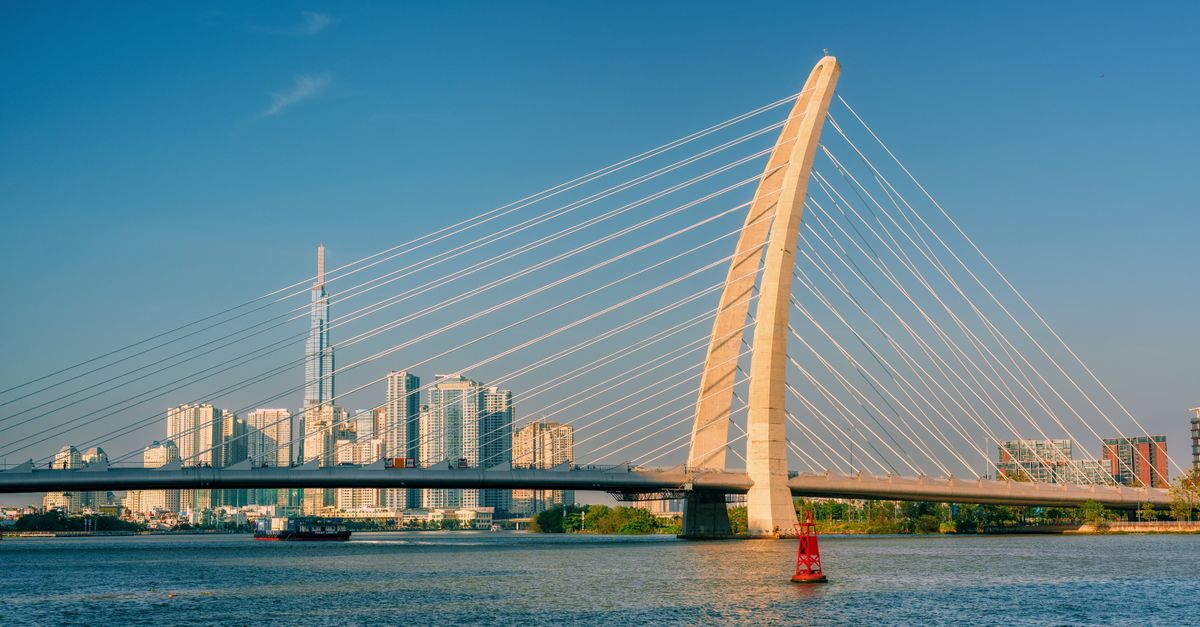
A buyer from Taichung wires a reservation fee for a two-bedroom in Thu Duc. She has never lived in Ho Chi Minh City. She has seen the Metro Line 1 running, she has a colleague leasing near Saigon Hi-Tech Park, and she wants to know one thing before she signs: will she be able to sell and take her money home later? This market-insight post for foreign investors buying property in Vietnam is built for that moment. Not theory. The decision in front of you.
Vietnam still draws overseas capital for simple reasons. Factories keep expanding outside the big cities. Young professionals keep renting near new business districts. And new transport links keep changing which wards feel close to work. You will feel that on the ground faster than in any report. Apartments near a working metro station lease differently from identical units ten minutes farther out. Townhouses near an industrial park in Binh Duong rent differently from villas bought for weekends. If you read the market that way, street by street, you will make fewer mistakes.
Why Vietnam Keeps Pulling in Overseas Capital
Talk to agents in District 2, Thu Duc City, or the Cau Giay area of Ha Noi and you will hear a consistent story. End users drive much of the demand. They are local professionals, engineers, and managers who need to live near work. Foreign owners plug into that demand as landlords, or they buy for future self-use and lease in the meantime. That is the core logic. It is not about flipping in six months. It is about holding an asset people need to rent.
Jobs first, housing second
For foreign investors buying property in Vietnam, that flow of jobs matters more than headlines. In Ho Chi Minh City, the pull comes from Thu Duc, District 1, and the corridor toward Binh Duong and Dong Nai where factories and logistics parks sit. In Ha Noi, it comes from the west side business clusters and industrial zones to the north and east. Where payrolls grow, leases get signed. That is why overseas buyers keep asking about projects within 30 minutes of large employment hubs, not just projects with nice lobbies.
Here is what most overseas buyers miss. A beautiful tower with slow leasing next door can underperform a plainer block next to offices and schools. Walk the area at 7 p.m. Are lights on? Are small shops busy? Are motorbikes parked for the night? Short sentences help here. Trust eyes over brochures.
Infrastructure that changes renter behaviour
Metro Line 1 in Ho Chi Minh City gave a clear example. Once trains ran from Suoi Tien through Thu Duc toward Ben Thanh, tenants started to price commute time differently. Landlords near stations found it easier to keep units filled. The same pattern shows around new ring roads and river crossings. You do not need a forecast model to use this. Ask one question: does this project cut a real commute for a real group of tenants?
In practice, we tell clients to map three things: office clusters, schools with expat enrolment, and stations or highway entrances. If a project touches at least two, it deserves a closer look. If it touches none, rental demand will be harder work.
What You Can Actually Own as a Foreigner
For foreign investors buying property in Vietnam, the legal path is narrower than for locals, but it is clear once you see it. You purchase via an official Sale and Purchase Agreement (SPA) with the developer. You hold a 50-year leasehold, renewable under the Housing Law 2023. You must buy within the project foreign-ownership quota. You can freely resell or lease the home. And when you resell to a Vietnamese national, the title converts to permanent ownership for that buyer. That last point supports resale liquidity, because local buyers are not stuck with your lease term.
Quota and term, with the right law
Two rules shape every foreign purchase. The 30% per-building foreign-ownership quota for condominiums, and the 250-landed-houses-per-ward cap for houses, come from Article 19 of the Housing Law 2023 (Law No. 27/2023/QH15). The 50-year foreign ownership term and its renewal come from Article 20 of the Housing Law 2023. The implementing guidance sits in Decree 95/2024/ND-CP. If an agent quotes you a different article number for quota or term, pause. Ask to see the quota confirmation letter for that specific tower.
That letter matters. Developers track foreign quota unit by unit. Once a tower hits 30% sold to foreigners, no further SPA can be issued to a foreign passport in that tower, even if units look available. Smart buyers confirm in writing: is quota still open in this exact building, not just this project? Get the answer before you pay a reservation fee.
Pink Book, leasing, and exit
After full payment and handover, a foreign owner receives a Pink Book (Certificate of Land Use Rights and Ownership of House) issued in the foreigner's name with the 50-year term noted. It looks like the local version, but the holder page and term reflect foreign status. You will need it for resale, for leasing registration, and for banks when you move money out.
You can lease the unit. Most overseas landlords use a management company to handle contracts, tax filings, and tenant issues. You can sell to another foreigner if quota allows, or to a Vietnamese buyer at any time. Many exits go to locals, which is normal. That is why location near local end-user demand protects you twice. It helps rent it now and sell it later.
- Buy right: sign only an SPA with the developer or a notarised transfer that keeps you inside quota.
- Pay right: send funds from overseas into Vietnam through the banking system with your passport, SPA, and payment schedule on file.
- Hold right: keep SPA, payment receipts, Pink Book, lease contracts, and tax receipts in one file for repatriation.
Where Overseas Buyers Are Looking Right Now
In practice, foreign investors buying property in Vietnam tend to cluster in a few corridors where jobs and transport overlap. That is not hype. It is where property managers say they fill units fastest and where resale listings get calls from both expats and locals.
Ho Chi Minh City and the eastern corridor
Thu Duc City, including Thao Dien, An Phu, and the area around the Hi-Tech Park, stays on overseas shortlists. The reasons are concrete. The metro serves the corridor. International schools sit nearby. Office demand in District 1 and Thu Duc pulls tenants east. New supply comes in waves, so building selection matters. Two towers on the same street can perform differently if one sits five minutes closer to a station entrance.
Southward, Phu My Hung in District 7 keeps a steady expat tenant base because of schools and offices. Westward, Binh Tan and District 6 draw local renters more than expats, which suits buyers chasing long leases to Vietnamese families rather than short expat contracts. Your strategy picks the ward. Do not buy an expat-style one-bedroom where family tenants dominate, or a large three-bedroom where single professionals dominate.
Ha Noi and the industrial belt
In Ha Noi, overseas buyers focus on Tay Ho for serviced demand, Cau Giay and Nam Tu Liem for office tenants, and Gia Lam and Dong Anh as bridges and ring roads improve access. Outside the capital, Bac Ninh, Bac Giang, and Hai Phong draw attention because engineers and managers need housing near plants. The product there is different. It is often lower-price apartments or shophouses bought for yield and held for years, not trophy units.
Here is our honest view. If you cannot visit often, stay close to liquidity. A two-bedroom in a well-managed tower near jobs and schools is easier to lease and resell from abroad than a villa in a thin market. Save the special assets for when you have boots on the ground.
Money in, money out
Overseas buyers worry about exit transfers, and they should plan for it from day one. Vietnam allows repatriation of sale proceeds and rental income after taxes, handled through banks under State Bank of Vietnam foreign-exchange rules. In practice, your bank will ask for your SPA, proof of inward transfer, Pink Book or handover records, sale contract for exit, and proof you paid personal income tax and fees. Keep every slip. Transfers stall when paperwork is thin, not because the rule blocks you.
Currency risk is real. The dong moves against the dollar, Taiwan dollar, Hong Kong dollar, and won over a holding period. You cannot fix that fully. You can reduce stress by avoiding over-leverage, keeping a cash buffer for management fees and taxes, and pricing rent in dong while tracking returns in your home currency. If the math only works with perfect FX and full occupancy, it is not a good deal.
- Tax to expect: rental income and capital gains for non-residents face Vietnamese taxes and filing. Get a local accountant before you lease.
- Fee to model: management fees, sinking fund contributions, and leasing commissions come out before your net.
- Paper to keep: bank credit advices for every inward payment. They are gold at exit.
FAQ for Foreign Investors Buying Property in Vietnam
These are the questions we hear most from foreign investors buying property in Vietnam when they compare buildings. Short answers help. Details follow in due diligence.
Can I get a Pink Book as a foreigner?
Yes, for quota-compliant purchases from a qualified project. After you complete payment under the SPA and the project completes legal steps, the land office issues a Pink Book in your name showing the 50-year term. Timelines vary by project, so ask for recent Pink Book issuance in that exact phase before you commit.
What happens when the 50 years end?
Article 20 of the Housing Law 2023 provides for renewal. In practice, you apply before expiry and the state considers renewal if the project remains compliant. We do not promise outcomes decades out. We tell clients to keep title clean, keep taxes paid, and keep the original SPA and Pink Book safe, because a clean file helps any future application.
Can I buy more than one unit?
Yes, if quota allows in each building and you meet developer and bank checks. Some overseas buyers take two smaller units instead of one large unit to spread vacancy risk. That can work near office clusters where one- and two-bedrooms lease fastest. It fails where management quality is weak across both towers.
Is off-plan safe for overseas buyers?
It can be, but only with licensed projects, staged payments tied to construction, and written quota confirmation. Never pay into a personal account. Pay to the developer account named in the SPA, keep bank proof, and visit or send a trusted representative at key stages. If a seller rushes you past these steps, walk away.
Final Take: How to Use This Insight Before You Offer
Start with tenants, not towers. Pick one renter group you understand. Tech staff near Thu Duc. Finance staff near District 1. Engineers near Bac Ninh. Then pick buildings that serve that group within a short commute. Check quota in writing. Confirm Pink Book progress in that phase. Model net rent after taxes and fees, not gross rent on a flyer.
If you want a second view, talk to us before you pay a reservation fee. Bring the tower name, unit type, payment schedule, and quota letter. We will tell you plainly if the deal fits an overseas hold and exit. And if you are ready to compare live options that still have foreign quota open, send us your budget and target city. We will shortlist units that match how you will lease, hold, and sell.