
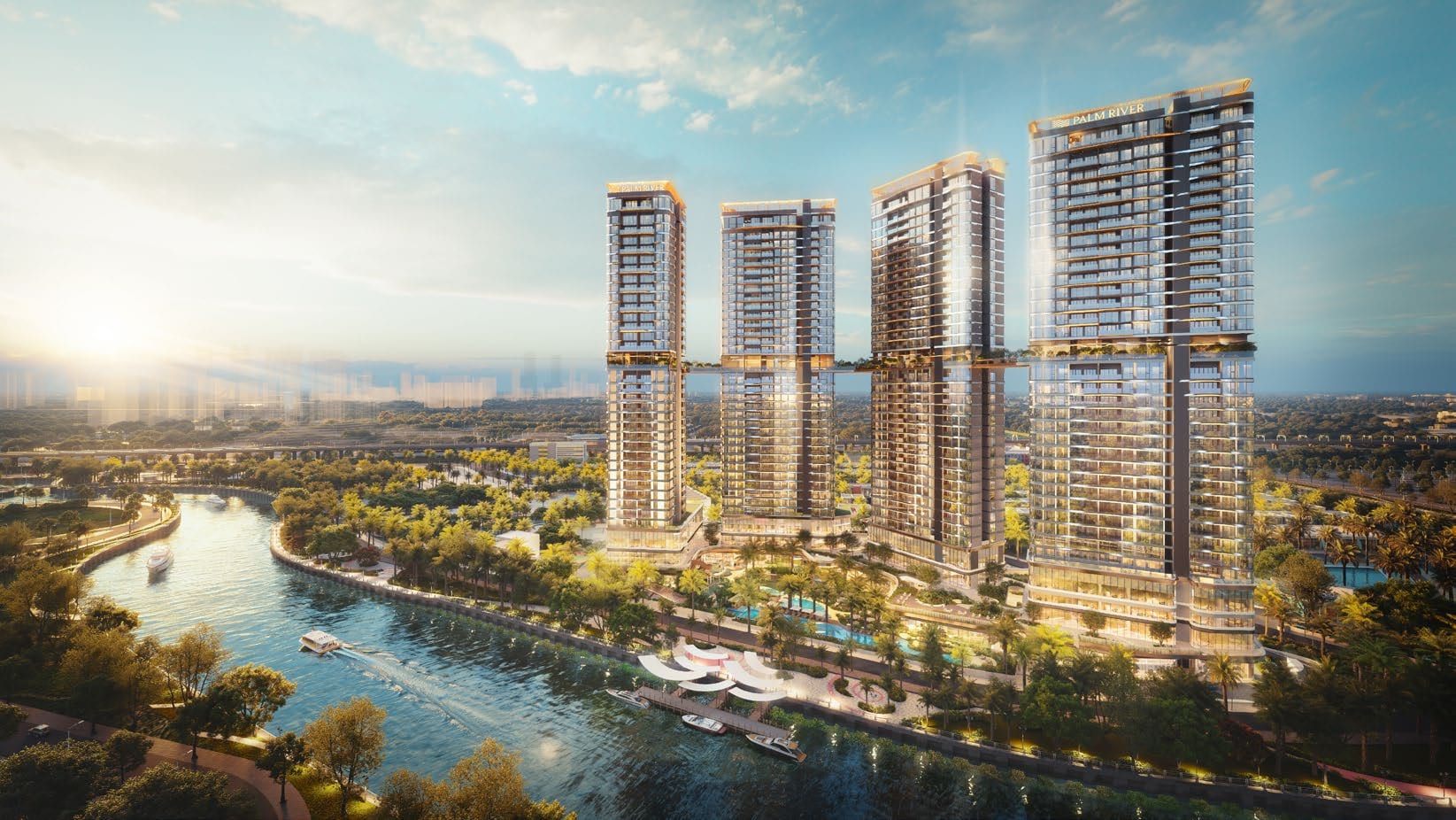
A unit at Palm River is listed at a headline figure per square metre. That number looks competitive against other riverside projects in District 2. But before you send a deposit, you need to know exactly what that figure represents — because in Ho Chi Minh, no two developers measure the same way.
Palm River: Reading the Price per Square Metre Before You Commit is the question every foreign buyer should ask before signing. The gap between advertised price and contractual price can be significant, and it catches overseas investors off guard more often than any other issue in the buying process.
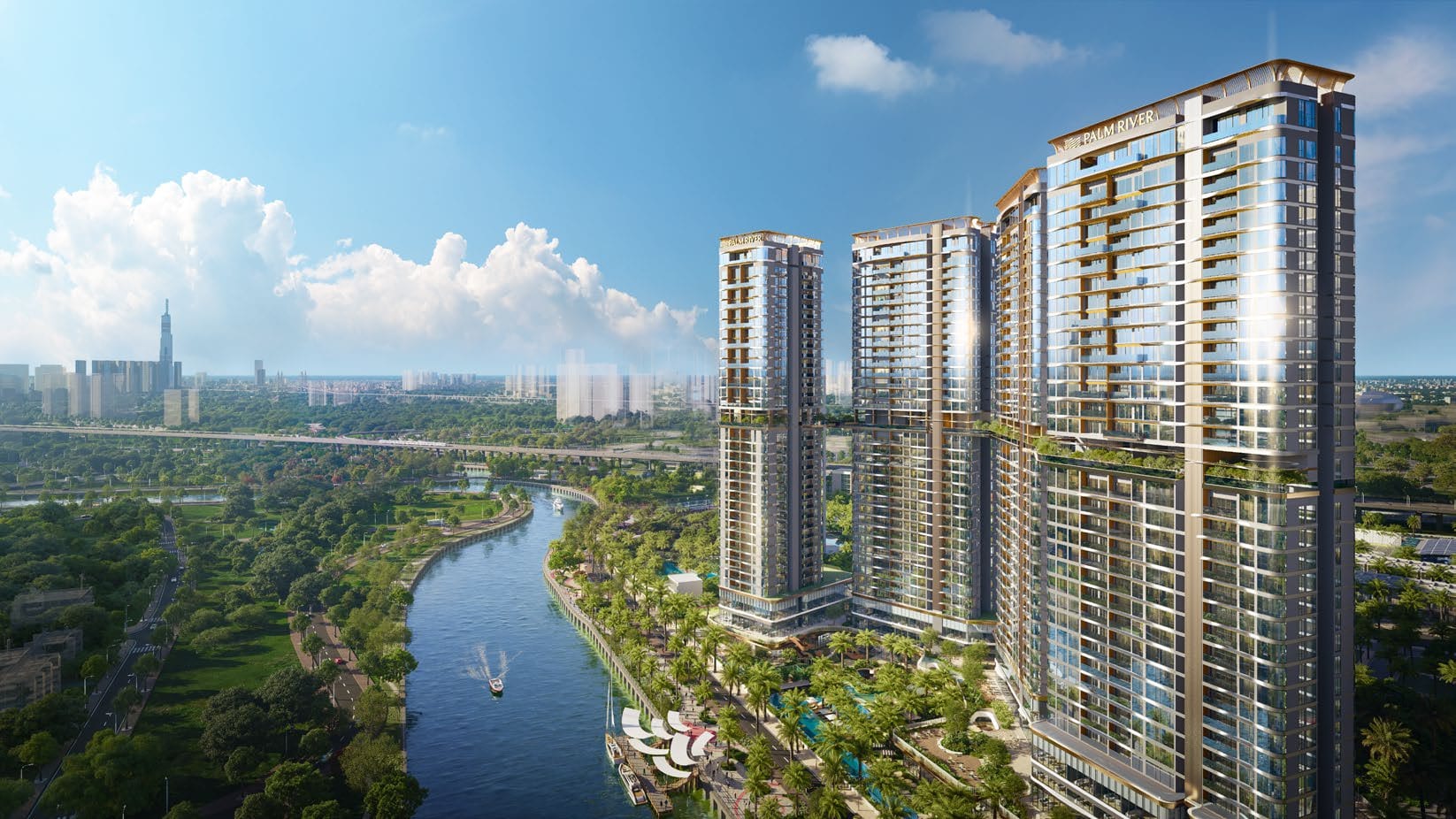
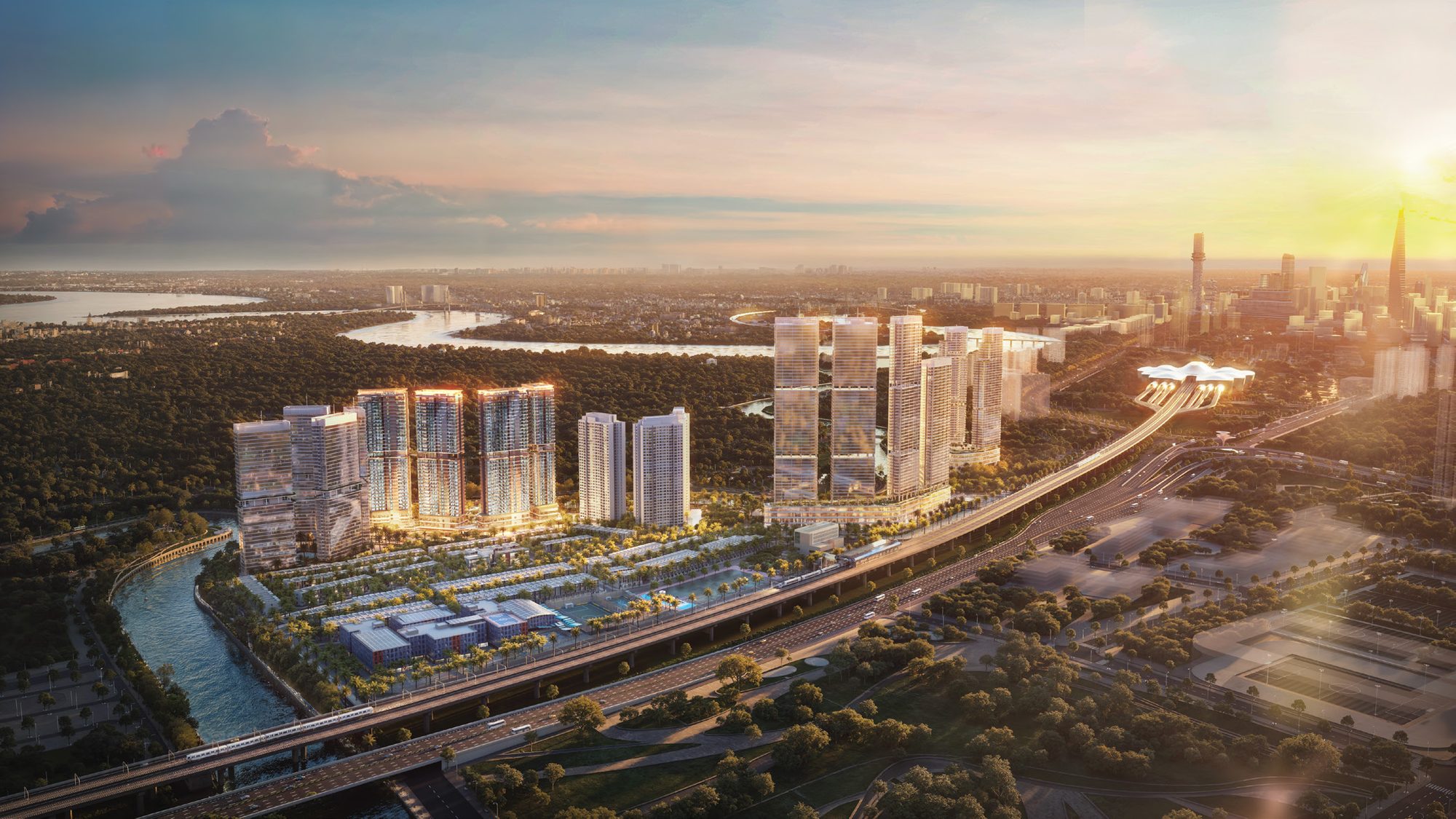
Huong Viet Properties launched Palm River as four riverside towers of 36 floors inside the roughly 30-hectare Palm City township in eastern Ho Chi Minh City. The project offers 620 apartments, 13 shophouses, and 71 officetels across a typical six-residences-per-floor layout. That scale matters when you're trying to understand pricing — larger developments sometimes bundle costs differently than boutique projects, and the per-m² figure can shift depending on how the developer allocates shared spaces, podium amenities, and podium-level facilities across all unit types.
Here's what most overseas buyers miss on the first pass: the advertised price per square metre rarely tells you what you'll actually pay at the SPA stage, and it almost never reflects what you'll get when you take possession.
What Does the Advertised Price per Square Metre Actually Cover?
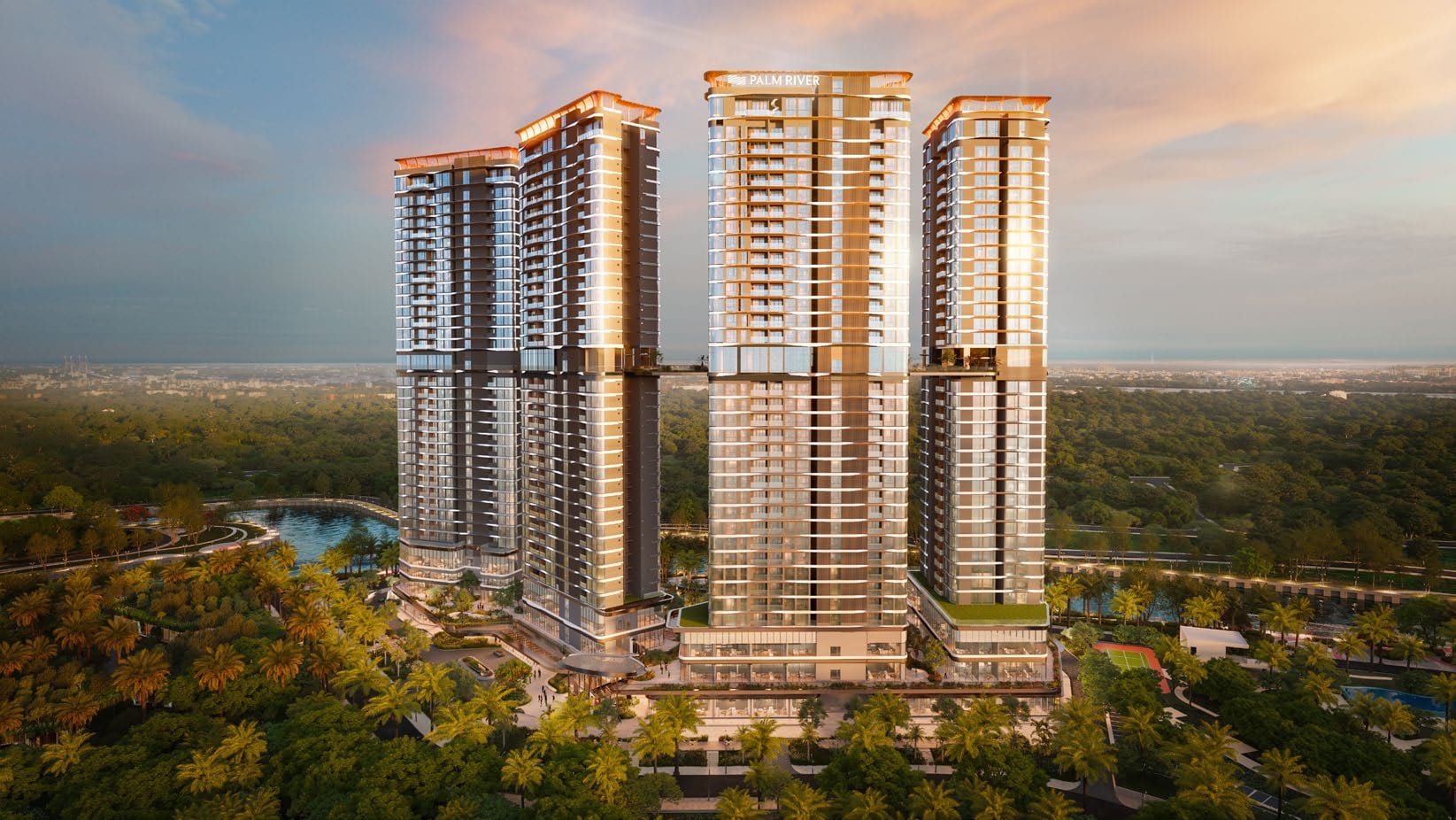
Every developer in Vietnam quotes a headline price per square metre, but the components vary. At Palm River, Huong Viet Properties lists unit sizes ranging from 41.3 to 157 m², spanning studios through three-bedroom apartments. The headline figure you see on marketing materials typically refers to the gross floor area — and that's where the first discrepancy lives.
Gross Area versus Net (Carpet) Area
Gross floor area includes everything: the internal living space, the balcony, the portion of shared walls, corridors, and sometimes a slice of the building's common areas allocated proportionally. Carpet area — the actual floor space you can walk on and place furniture — is always smaller. In Ho Chi Minh's apartment market, the difference between gross and carpet area can run anywhere from 15% to 30%, depending on the building's design and how much balcony and corridor space the developer includes.
That means a 70 m² unit quoted at, say, VND 55 million per m² might really be 55 m² of usable space. The effective price you're paying for the space you actually live in jumps considerably. Palm River's unit mix includes balconies in most configurations — a real selling point for riverside living — but those balconies still inflate the per-m² number if you're comparing against projects that quote carpet area.
Ask the sales team directly: "Is this price based on gross area or net usable area?" If they answer "construction area" or "saleable area," push for the specific breakdown in writing. This is standard due diligence, not a difficult request, and any reputable developer will provide it before you commit funds.
What's Bundled into the Price
Some developers include the fit-out (flooring, kitchen cabinets, sanitary ware, air conditioning) in the per-m² figure. Others list a "bare shell" price and then add a separate fit-out package cost. Palm River's marketing should clarify which applies, but verify this at the project showroom — don't rely solely on the website.
For foreign buyers, the fit-out question has a practical side. If you plan to lease the unit after handover, the fit-out standard directly affects rental rates. A unit delivered with full kitchen cabinetry, branded sanitary ware, and pre-installed air conditioning commands a premium over a bare unit that requires VND 200–400 million in additional spend before it's tenant-ready.
The Foreign-Ownership Layer: How It Affects Your Price Calculation
As a foreign national, you purchase through an official Sale & Purchase Agreement (SPA) with the developer. The Housing Law 2023 (Law No. 27/2023/QH15) governs your ownership rights, and two articles matter most.
Article 19 establishes the 30% per-building foreign-ownership quota (and a cap of 250 landed houses per ward for landed properties). Palm River is a condominium project, so the 30% apartment quota applies. Within Palm River's 620 apartments, no more than 186 units can be allocated to foreign buyers. Once that quota fills, you can only buy from the resale market — and resale prices carry their own dynamics.
Article 20 sets your ownership term at 50 years, renewable under conditions specified in the implementing Decree 95/2024/ND-CP. The unit can be freely resold or leased during that term. When you sell to a Vietnamese national, the title converts to permanent freehold ownership — which is how most foreign-held apartments eventually re-enter the full market.
Why the Quota Affects Price
Foreign-eligible units in a project sometimes carry a slight premium over the identical unit type sold to a Vietnamese buyer. That's not because the developer charges foreigners more — it's because demand for foreign-eligible units is concentrated in a limited supply. When 620 apartments are available but only 186 can be sold to overseas buyers, competition within that slice can push secondary-market prices up.
At the primary (developer) stage, the price per square metre is typically the same regardless of buyer nationality. But if you're buying on the resale market — because the foreign quota is already allocated — factor in the premium that scarcity creates. This is especially true in well-located projects in District 2 (now Thu Duc City), where foreign buyer demand consistently outpaces the 30% allocation.
Questions That Expose a Headline Price That Won't Survive the Contract

A per-m² number is marketing. The SPA is the contract. Here's where the two diverge — and what to ask before you sign.
- VAT and registration fees: Are they included in the quoted price, or added on top? For apartments priced above VND 2 billion, VAT applies at 8% (reduced rate through 2024, reverting to 10% thereafter). On a 70 m² unit, that's a material difference.
- Maintenance fund: Most developers collect a one-time maintenance contribution at handover — typically 2% of the sale price for apartments. Confirm whether this is included in the per-m² figure or billed separately.
- Parking: Does the quoted price include a parking bay? In Thu Duc City, a basement parking space can represent VND 100–300 million in value depending on the project. If parking is sold separately, that cost sits outside your per-m² calculation entirely.
- Handover condition: Fully fitted? Semi-fitted? Shell? The difference between these can be VND 3–6 million per m² in additional cost. Palm River's handover standard should be explicit in the SPA — if it isn't, that's a red flag.
- Payment schedule: Developer payment plans vary. Some require 30–50% during construction, with the balance at handover. Others offer extended post-handover plans. The schedule affects your cash flow and, if you're financing through a cross-border arrangement, your FX exposure.
- Completion timeline: A delayed project ties up your capital longer and pushes back your rental income start date. Huong Viet Properties should provide a firm completion date in the SPA — vague language like "approximately" or "subject to government approval" deserves scrutiny.
Comparing Palm River's Price Against the Market — Fairly
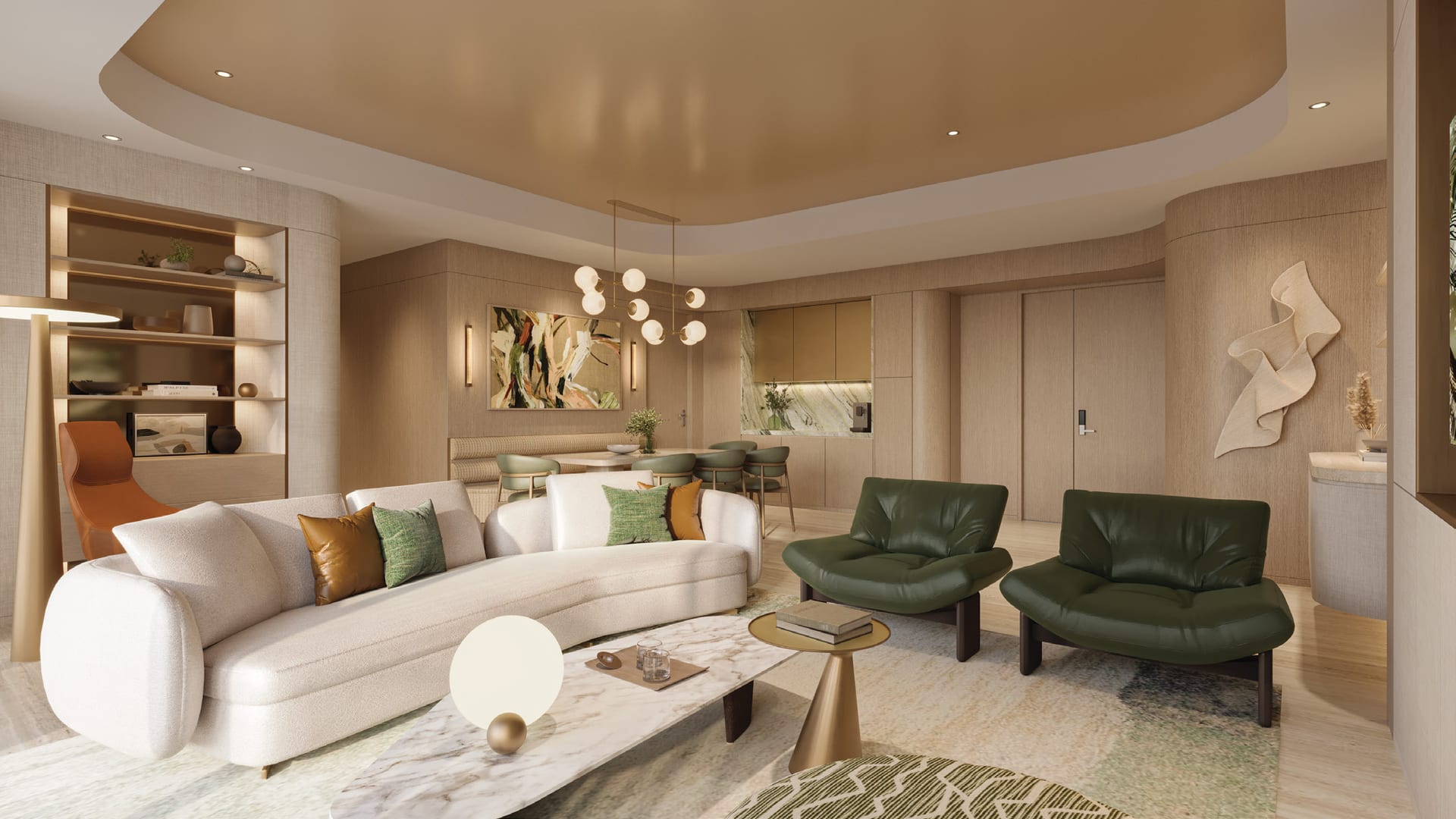
Eastern Ho Chi Minh City — specifically the Thu Duc corridor along the Saigon River — has seen significant price growth over the past five years. Palm City township, where Palm River sits, is an established master-planned community, which gives the project an advantage over standalone developments. Infrastructure investment in the area, including metro line connectivity and road upgrades, supports long-term value — but it also means you're not getting a bargain.
When comparing Palm River's per-m² price against competing projects, standardise your comparison:
- Use the same measurement basis (gross vs. net) across all projects.
- Include VAT and fees in every comparison.
- Compare the same bedroom type — a studio and a three-bedroom in the same project can have very different per-m² prices.
- Factor in the handover condition. A fully fitted unit at VND 55 million/m² may be better value than a shell unit at VND 45 million/m² once you add fit-out costs.
- Account for the foreign-ownership quota. If you're buying into a project where the foreign allocation is nearly full, you may pay a resale premium that doesn't appear in the developer's official pricing.
Palm River's 68 amenities across the podium, club floor, and sky floor at level 20 are part of the project's positioning — and those amenities are funded through the maintenance fee and the per-m² pricing structure. More amenities can mean a higher per-m² cost. Whether they translate to higher rental demand depends on the tenant pool you're targeting.
What Foreign Buyers Should Do Before Committing
Here's a practical sequence that protects your position:
- Request the detailed unit floor plan with measured dimensions. Cross-reference the stated size against the actual room dimensions. This is where you confirm whether the 70 m² claim holds up.
- Ask for the SPA draft before paying any reservation fee. Read the clauses on completion timeline, handover condition, penalties for developer delay, and refund provisions. A reservation fee is often non-refundable — know what you're committing to.
- Confirm your foreign-ownership eligibility in writing. Under Article 19, you need a valid visa and passport documentation. The developer's legal team should confirm you're within the quota before you sign.
- Engage an independent lawyer. Not the developer's recommended counsel — your own, preferably one experienced with foreign purchases in Ho Chi Minh. They'll review the SPA, the land-use certificate status, and the developer's legal standing.
- Clarify the 50-year term and renewal process. Under Article 20 and Decree 99/2015/ND-CP (as amended), renewal is possible but requires an application. Know the process and timeline before you need it.
Frequently Asked Questions
Can I negotiate the price per square metre at Palm River?
At the primary stage, developers sometimes offer discounts for early-bird purchases, bulk buys, or specific payment arrangements. There's no guaranteed negotiation margin, but it's always worth asking — particularly if you're flexible on unit type or floor position. Resale negotiations depend entirely on the individual seller's motivation.
Does the 50-year lease term start from the date I sign the SPA or from completion?
The term generally runs from the date the land-use rights are registered, which typically aligns with the project's land allocation date — not your individual SPA date. This is a critical distinction. Ask Huong Viet Properties for the exact registration date and calculate accordingly.
What happens if I want to sell before the 50 years expire?
You can sell to anyone — foreign or Vietnamese. If you sell to a Vietnamese national, the unit converts to permanent freehold. If you sell to another foreigner, the remaining term transfers, subject to the foreign-ownership quota in the building still having capacity. This is governed by the Housing Law 2023 and Decree 95/2024/ND-CP.
Are there restrictions on renting out my Palm River unit?
No. Foreign owners can lease their units freely during the ownership term. Rental income is subject to Vietnamese tax — typically a flat rate on individuals — and you'll need to declare it. Consult a tax advisor familiar with non-resident obligations in Vietnam.
Is the per-m² price likely to increase by the time of handover?
Developer pricing typically moves upward during the construction phase in stages. Early buyers often secure the lowest per-m² rate. However, this isn't guaranteed — market conditions, policy changes, and project-specific factors all influence pricing. Palm River's positioning in the Palm City township and its riverside location support price resilience, but past trends don't predict future outcomes.
Palm River: Reading the Price per Square Metre Before You Commit comes down to this: the headline number is your starting point, not your endpoint. The real cost lives in the details — what's measured, what's included, what's added on, and what the contract actually says. Foreign buyers who ask the right questions before signing are the ones who avoid expensive surprises after.
If you're considering Palm River and want to understand how the pricing stacks up against your investment goals, reach out. We'll walk through the numbers together — no pressure, just clarity.