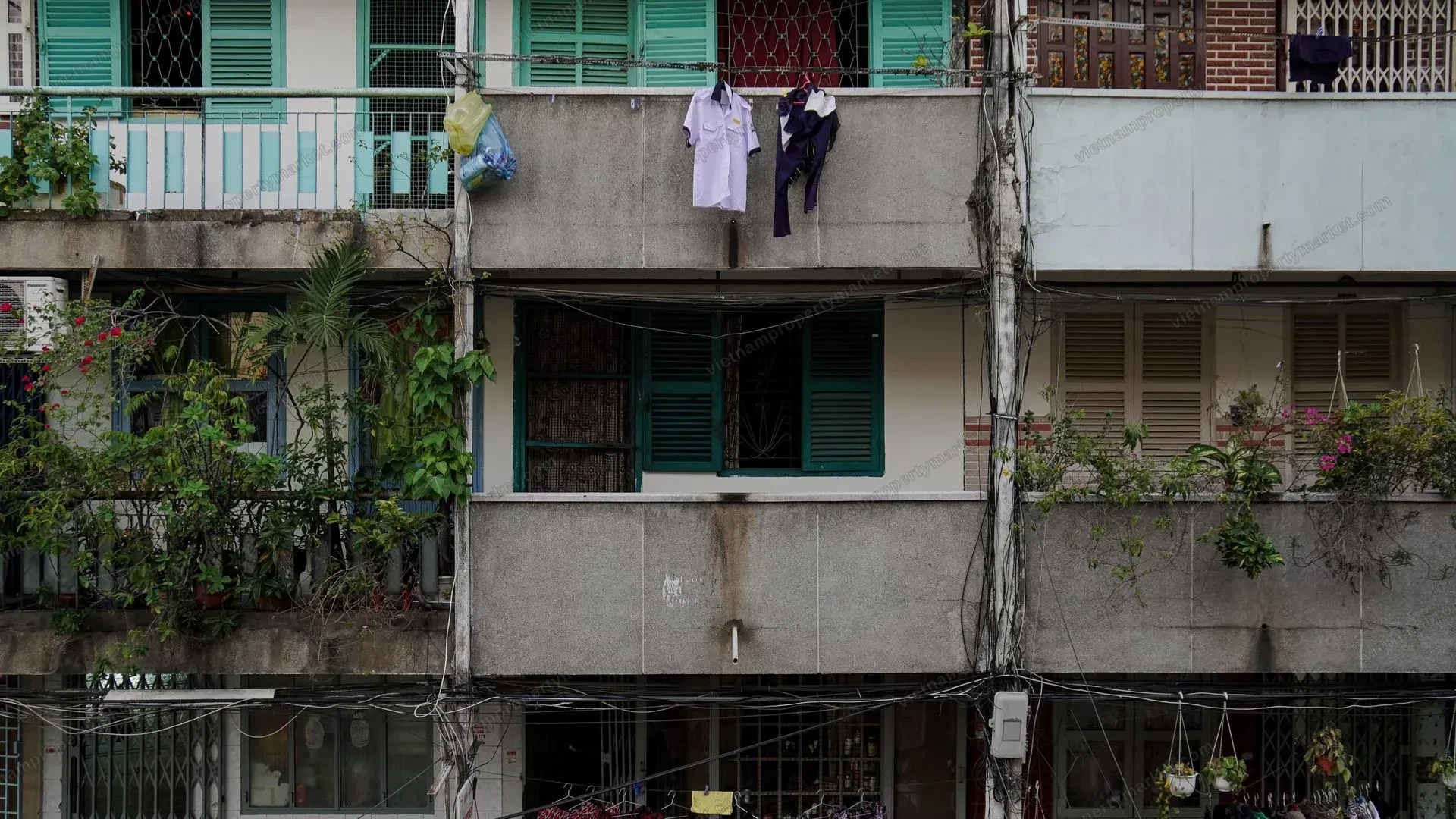
Ho Chi Minh City, 25 November 2026 — Vietnam's amended Housing Law has officially legalized short-term accommodation rentals in apartments. The National Assembly voted 467 in favour out of 485 delegates on 21 November 2026, Tuoi Tre reported. Ho Chi Minh City issued Decision 19/2026 in 2026, replacing its earlier Decision 26/2025 to relax rules on apartment rentals for accommodation guests.
Key takeaways
- 467 of 485 delegates voted in favour on 21 November 2026
- Article 3 permits apartments for residential or accommodation use; Article 12 recognizes accommodation rental as an owner right
- Ho Chi Minh City's Decision 19/2026 (2026) sets local operating rules
- Target: 1.5 million tourism accommodation rooms by 2030
On this page
Imagine an apartment owner considering accommodation rentals under the local operating rules. The building's house rules may still restrict rentals or guest access. The national target is 1.5 million tourism accommodation rooms by 2030.
The change is part of Vietnam's broader goal to reach 1.5 million tourism accommodation rooms by 2030, as stated in Resolution 26-NQ/TW dated 22 August 2026, CafeF reported. By legalizing apartment rentals for accommodation, Vietnam now enables private owners to contribute to this capacity. Using apartments for non-residential purposes outside accommodation remains prohibited under Decree 339/2026/ND-CP.
How apartments can now be used
Article 3 of the amended Housing Law permits apartments to be used for residential tenancy or for accommodation stays. The key shift: the law no longer restricts owners to conventional long-term leases, provided rentals comply with building by-laws.
What hasn't changed: buildings retain authority to set house rules. Building management can still limit how often accommodation rentals occur, require notice periods, or restrict guest access to shared facilities. Ho Chi Minh City's Decision 19/2026 provides the municipal framework for these rentals.
What it means for foreign buyers
If you own an apartment as a foreigner, you may rent it for accommodation, subject to applicable laws and building rules. That expands your options beyond long-term tenants, including business visitors, tourists, or other guests.
- Check whether your building permits accommodation rentals and what restrictions apply, such as limits on rental months or advance notice requirements.
- Understand tax and reporting obligations. Rental income earned on your property is taxable in Vietnam and must be reported accordingly.
- Foreign apartment ownership is generally limited to 50 years from the date the Pink Book is issued. Renewal is subject to applicable rules. Ownership duration may differ after resale to a Vietnamese buyer. Foreigners hold up to 50 years from the date the Pink Book is issued, renewable, and when the unit is resold to a Vietnamese buyer it becomes long-term (permanent) ownership.
We can run a rental projection for a property you're considering—occupancy, turnover, tax impact, and how it stacks against holding it long-term. Message us on Zalo or WhatsApp.
Sources
- Tuoi Tre Nha dat: How much does the amended Housing Law protect apartment buyers' rights? (2026-11-23)
- CafeF Bat dong san: Amended Housing Law allows short-term accommodation rentals in apartment buildings (2026-11-23)
- VnExpress Bat dong san: Amended Housing Law allows condominiums to be used for short-term accommodation rentals (2026-11-23)
- Tuoi Tre Nha dat: Chung cu duoc kinh doanh luu tru: Quyen chu nha, quyen cu dan den dau? (2026-11-23)
Want a deeper market briefing?
Our research desk publishes a 40-page quarterly Vietnam Real Estate Brief. Free for qualified investors.
Request the briefMore articles
All news Property Sale/Resale
vietnam housing law amendment: Only Apartments for Foreigners? Complete Guide to the Draft Excluding Detached Houses (2026)
The Vietnam housing law amendment is still a draft, and under the current wording, properties eligible for foreign ownership would be limited to apartments.
Read article Property Sale/Resale
What the Housing Law 2023 and Land Law 2024 Actually Changed for Foreign Buyers
You've seen the spreadsheets. Ho Chi Minh City asking prices ticking upward district by district, Binh Duong industrial zones pulling in new manufacturers, Da Nang drawing retiree capital from Korea and Taiwan.
Read article Rentals
Vietnam allows short-term condo rentals from 1 July 2027
Vietnam legalises short-term condo rentals from 1 July 2027; VnExpress's example shows yield on a VND6 billion apartment moving from 2.5% to 3%.
Read articleThe essentials every foreign buyer should read before reserving.