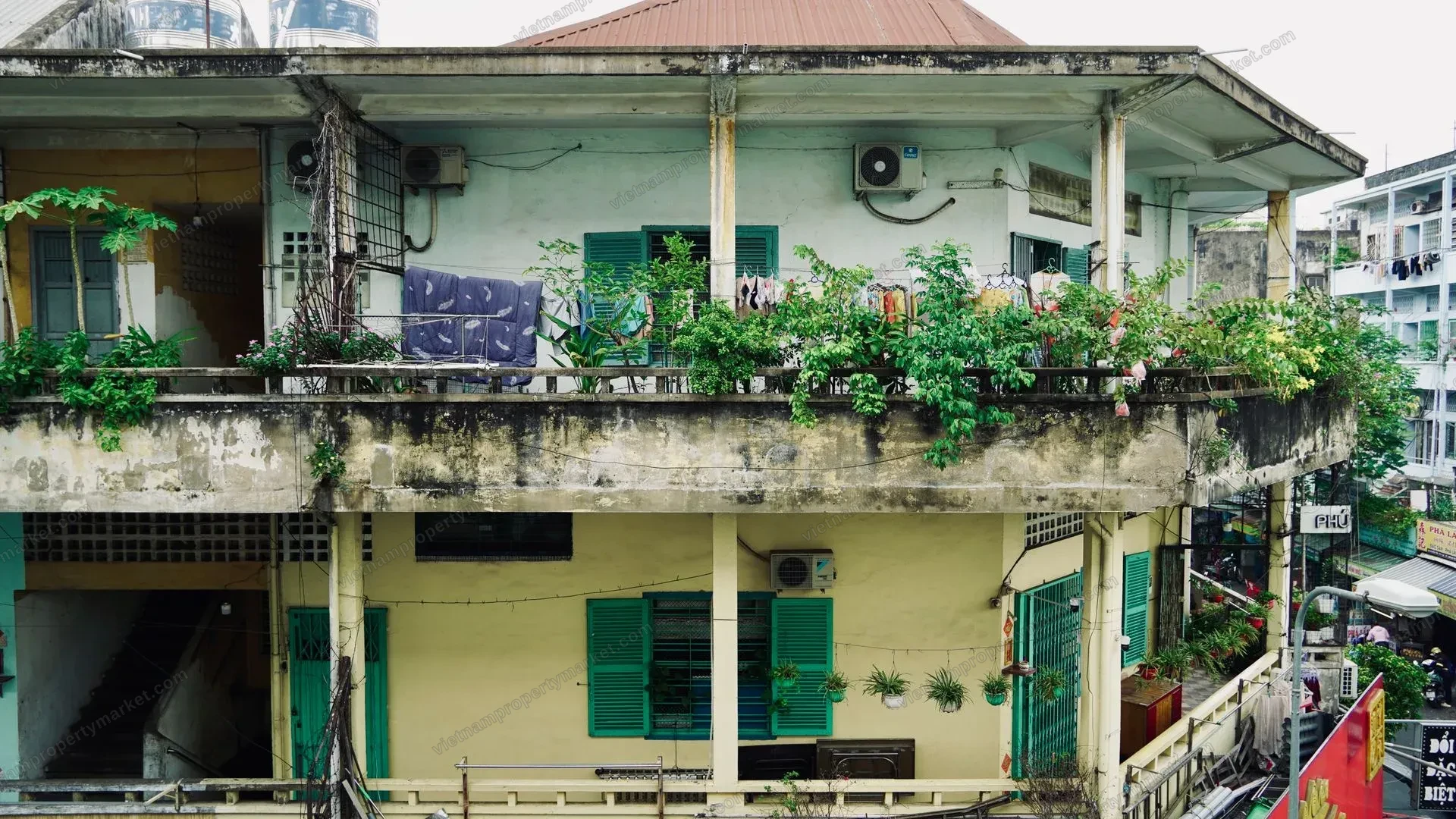
The cost of living in Vietnam in 2026 ranges from around US$700 a month for a frugal single to over US$2,500 for comfortable city living, according to expatden.com (2026, using the State Bank of Vietnam rate of VND 25,633 to US$1 as of 19 October 2026). Rent varies widely: a serviced one-bedroom in Ho Chi Minh City's District 1 costs roughly US$700–1,200 a month, while the same format in Da Nang asks US$350–600. City, housing and school choices shape monthly budgets.
Key takeaways
- Monthly expat budgets: around US$700 (frugal) to over US$2,500 (comfortable in HCMC) — rent and schools drive the gap.
- Serviced 1BR rent ranges from US$350–600 in Da Nang to US$700–1,200 in District 1, HCMC (2026).
- Da Nang and Hoi An cost roughly 20–30% less than Hanoi or HCMC across most categories.
- International school fees — US$7,800 to almost US$40,000 a year — can double a family's budget overnight.
- A landlord or agent may ask to see your visa or temporary residence registration when you sign a lease.
On this page
Say you're a Korean engineer posted to Thu Duc and your spouse is weighing Thao Dien against Ba Dinh in Hanoi for the family's next apartment. That's the decision this breakdown is built around.
How much do expats spend each month in Vietnam?
There's no single number because food habits, housing standards and school choices vary enormously. A single expat can live comfortably in a major city for US$1,200–1,800 a month, according to expatden.com. In Ho Chi Minh City specifically, expatblueprint.com puts a comfortable single at roughly US$1,500–2,500 all-in for 2026, while a frugal but decent life in Da Nang runs around US$700–1,000.
Can you live on US$500 a month? Not realistically in Hanoi or HCMC if you want a private apartment with air conditioning. The US$700 floor already assumes local food, a modest room and no car.
| Expense | Typical range (2026) | Source |
|---|---|---|
| Street-food meal | US$0.78–1.56 | expatden.com |
| Western dining (monthly) | Over US$230 | expatden.com |
| Used Honda Wave motorbike | ~VND 7 million (US$273) | expatden.com |
Looking for a place? Send us your budget, area and move-in date →
Electricity rose 4.8% in May 2025 (expatblueprint.com), and the dong weakened around 5% through 2025, so costs have crept up. Vietnam's 2025 official spatial price index — confirming the capital is now marginally pricier than the south for everyday goods.
How does rent change the total by city?
Rent is where living expenses in Vietnam diverge most sharply. A serviced one-bedroom in Thao Dien can reach US$700–1,200, according to expatden.com, while a comparable unit in Binh Thanh or Thu Duc outside the expat strip asks around US$500–900, according to expatblueprint.com. The table below shows 2026 asking rents for a serviced one-bedroom by neighbourhood.
| City / Neighbourhood | Serviced 1BR (monthly, 2026) | Source |
|---|---|---|
| HCMC — District 1 | US$700–1,200 | expatblueprint.com |
| HCMC — Thao Dien / Thu Duc / Binh Thanh | US$500–900 | expatblueprint.com |
| Hanoi — Tay Ho | US$600–1,000 | expatblueprint.com |
| Hanoi — Ba Dinh | US$450–800 | expatblueprint.com |
| Da Nang — central | US$350–600 | expatblueprint.com |
| Hoi An | US$350–600 | expatblueprint.com |
A decent (non-serviced) one-bedroom in Hanoi or HCMC — a regular apartment rather than a serviced one — costs 10–12 million VND (US$390–468) per month, according to expatden.com. That's the line where the budget drops from the US$1,500 bracket toward the US$1,000 bracket. Da Nang and Hoi An cost 20–30% less than the major metros across most categories.
What about healthcare and schools — the costs people underestimate?
Healthcare is cheap at the public tier: consultations start at around US$3. Walk into an international hospital and you're looking at US$59 and up per visit, according to expatden.com. Most expat families carry private health insurance, and that premium rarely appears in cost-of-living calculators.
Schools are the real budget-breaker. International school fees range from about US$7,800 to almost US$40,000 a year, according to expatden.com.
Do costs keep rising — and is the dollar accepted?
Yes, costs have gone up. The dong's roughly 5% slide through 2025 (expatblueprint.com) means dollar-earners got a small cushion, while those paid in dong felt the utility and food-price increases more directly. The 90-day e-visa costs US$25–50, according to expatden.com — a minor line item, but it recurs if you're on visa runs rather than a work permit.
The dollar is not accepted for everyday purchases. You'll pay in dong at shops, restaurants and landlords. Most expats open a Vietnamese bank account — which requires a valid visa and passport — and receive salary or transfer funds in. Some employers pay in dollars to a foreign account and the employee converts; others pay directly in dong.
What does expat life Vietnam actually cost — a realistic breakdown?
Here's how a single expat's budget shifts depending on city and rent tier. These aren't fixed totals — they're the sourced ranges assembled into a practical picture.
| Profile | City | Monthly range (2026) |
|---|---|---|
| Frugal single | Da Nang | ~US$700–1,000 |
| Comfortable single | Hanoi or HCMC | US$1,200–1,800 |
| Comfortable single, expat-district rent | HCMC (District 1 / Thao Dien) | ~US$1,500–2,500 |
For families, add school fees and a larger apartment.
Frequently asked questions
Has the cost of living in Vietnam gone up recently?
It has. Electricity rose 4.8% in May 2025, and rents in Da Nang's central wards climbed an estimated 10–15% year-on-year into early 2026, per CafeBiz and Nhadautu.vn (January–February 2026). The dong also weakened around 5% through 2025.
Do foreign residents pay Vietnamese income tax?
Yes. If you're tax-resident in Vietnam, your worldwide income is subject to Vietnamese personal income tax on a progressive scale. Non-residents pay tax on Vietnam-sourced income. Your employer normally withholds it.
What surprises new expats most about living costs?
Two things. First, the gap between local-price food (US$0.78–1.56 per meal, according to expatden.com) and Western restaurants (over US$230 a month if you eat out daily). Second, international school fees. Those two lines alone can turn a "cheap" country into a mid-range one for families.
Can I live on US$1,000 a month in Hanoi?
A single person can, if you take a non-serviced apartment around 10–12 million VND (US$390–468) per month, eat mostly local food and skip the international hospital. It's tight but doable. A family cannot.
Before you sign a lease
Get these answered in writing before you pay any deposit:
- What's included in the rent? Management fee, Wi-Fi, water and cleaning vary wildly between serviced and non-serviced units.
- How is electricity billed? Some landlords charge above the EVN retail tariff — ask for the rate per kWh in the contract.
- Is the landlord registered with the local police? Under the law the host must declare your stay; if they refuse, you risk a fine, not them.
The desk can send you current rent listings for any city or district mentioned above, plus a lease-signing checklist in English, Korean or Chinese. Open a chat to get started.
Want a deeper market briefing?
Our research desk publishes a 40-page quarterly Vietnam Real Estate Brief. Free for qualified investors.
Request the briefMore articles
All news Rentals
Apartment for Rent in Da Nang? (2026) Rents by Area and How to Avoid Foreigner Pricing
Yes, you can rent an apartment in Da Nang as a foreigner, but the channel and neighbourhood you choose will decide whether you pay the local rate or the…
Read article Rentals
Coworking Space Hanoi (2026): Where Remote Workers Work and Rent, From Tay Ho to the Centre
Yes, coworking space Hanoi options make most sense if you choose your rental area around your actual work pattern: Tay Ho for an international resident base…
Read article Rentals
Vietnam SIM Card (2026): Face Verification, VNeID and Why You Want a Local Number Before You Sign a Lease
Yes, foreigners can obtain a registered Vietnam SIM card before committing to a lease, especially when moving from a hotel or serviced apartment into a…
Read articleThe essentials every foreign buyer should read before reserving.