
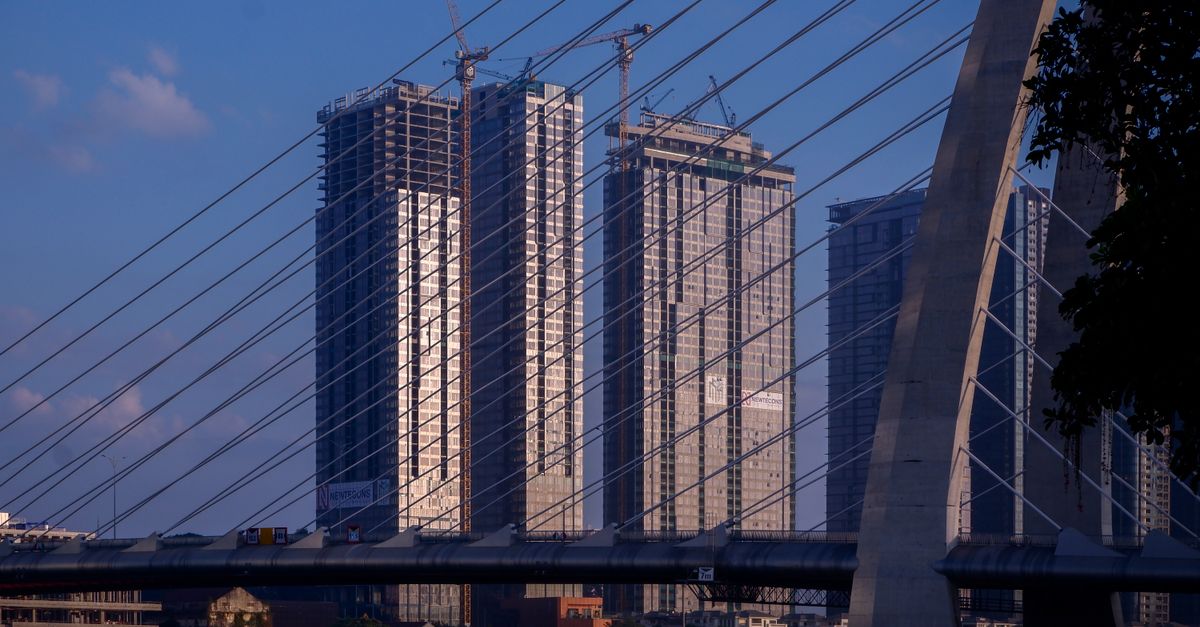
A foreign buyer looking at Ho Chi Minh City or Ha Noi today is no longer choosing between “cheap” and “expensive” property.s with clear foreign ownership availability, credible delivery records and a resale market that will still function when it is time to exit.
On this page
That distinction matters. Vietnam’s property market has moved through a period of tighter credit, slower approvals and more cautious buyer behaviour. For overseas investors, this has created selective opportunities rather than a blanket bargain market. Well-located, legally complete apartments in established urban districts still attract demand. Projects with unclear land-use rights, delayed construction or an exhausted foreign quota can be far harder to trade.
Our focus here is what foreign investors buying property in Vietnam need to know. The central point is simple: overseas capital should follow legal clarity and end-user demand, not launch-event hype.
Vietnam’s market is rewarding selectivity
The broad Vietnam residential story remains supported by urbanisation, expanding transport infrastructure and a growing base of affluent local households. Yet foreign investors should avoid treating the country as one single market. Ho Chi Minh City, Ha Noi, Da Nang, Binh Duong and coastal second-home destinations operate on different demand drivers.
Ho Chi Minh City remains the market most international investors watch first. Its established districts, employment concentration and limited supply in central areas support long-term apartment demand. Thu Duc City is also closely monitored because it connects established residential areas with major business, technology and education hubs. However, buyers should distinguish between an announced infrastructure plan and a project already benefiting from completed transport links.
Ha Noi is a different proposition. Demand is more locally driven, with strong interest around business districts, industrial corridors and new urban zones. It can suit investors seeking exposure to the capital’s expanding metropolitan footprint, but rental assumptions should be tested carefully. A tower beside a future road or rail scheme does not automatically command a premium before that infrastructure is operating.
Da Nang can appeal to buyers who want a combination of personal use and rental potential. Its appeal is tied to tourism, lifestyle and international accessibility. Those same strengths make it more sensitive to travel cycles and the quality of property management. A holiday-oriented apartment should never be assessed using the same rental logic as a residential unit near an office district in Ho Chi Minh City.
Here is what most overseas buyers miss: price growth is not the only investment return. Liquidity matters just as much. A unit in a recognised project, with a clean foreign ownership pathway and realistic tenant demand, is generally easier to resell than a cheaper unit in an obscure development.
Supply constraints can support quality projects
Development approvals and legal reviews have slowed the release of new residential stock in several major markets. That does not mean every completed apartment will rise in value. It does mean completed or near-completed projects with proper documentation can stand apart from speculative launches.
For a foreign buyer, the strongest question is not “What discount can I get?” Ask instead: what is the buyer pool at resale? Your future purchaser may be another foreigner, a Vietnamese buyer, an owner-occupier, or an investor seeking rental income. Each group looks at the project differently.
- Owner-occupiers tend to value schools, commuting time, retail access and building management.
- Tenants usually focus on workplace access, furnishing quality and monthly rent.
- Foreign purchasers need available quota and a developer able to complete the ownership process correctly.
- Vietnamese purchasers may value the fact that a unit bought from a foreign owner converts to permanent ownership, whereas the foreign owner holds it for up to 50 years, renewable.
Foreign ownership rules are part of the market analysis
A foreign investor cannot treat the legal structure as paperwork to review after choosing a unit. In Vietnam, it is part of the asset itself.
Foreign individuals and eligible foreign organisations purchase through an official sale and purchase agreement, usually called an SPA, with the developer. Foreign ownership in an apartment project is subject to a quota. Under Article 19 of the Housing Law 2023 (Law No. 27/2023/QH15), foreign ownership is capped at 30% of the apartments in a single condominium building. For landed housing within an area defined at ward level, the cap is 250 houses. Decree 95/2024/ND-CP provides implementing guidance.
This is not a theoretical restriction. In popular developments, the foreign quota can be fully allocated before a buyer is ready to sign. A project may be attractive, the unit may be available, and the developer may still be unable to sell it to a foreign purchaser because the relevant quota has been used.
Request written confirmation of the foreign ownership quota position before paying a reservation amount. Ask which building the unit belongs to, how many units in that building have been allocated to foreign buyers, and whether your proposed unit is eligible. Do not rely solely on a sales presentation or verbal assurance.
The 50-year term is renewable, but it should be understood correctly
A foreign buyer receives ownership for a 50-year term under Article 20 of the Housing Law 2023. The term is renewable in accordance with the law. It is not a leasehold: the buyer receives recognised ownership rights during the term rather than simply renting the home from a landlord.
The ownership certificate issued to the foreign buyer is widely known as the Pink Book. It records the owner’s rights and is the key document for a later resale, inheritance process or leasing arrangement. The process does not end with signing the SPA. The buyer should follow through until the Pink Book is issued.
A foreign owner can generally resell or lease the home. If the property is resold to a Vietnamese national, the title converts to permanent ownership. That can widen the future resale pool, particularly for an apartment that appeals to local owner-occupiers.
For foreign investors buying property in Vietnam, legal tradability matters as much as price. A useful market insight must therefore examine quota availability and ownership tenure alongside location. A unit with an attractive launch price but limited legal tradability is not automatically an investment opportunity.
Where foreign capital is likely to be most disciplined
Foreign investors are increasingly drawn to projects that can answer basic due-diligence questions quickly. Who is the developer? Has the project been delivered as promised before? What are the land and construction approvals? Is the foreign quota still available? What is the likely tenant profile?
The preference is understandable. Cross-border buyers do not have the same ability to visit a site every week, attend local meetings or solve documentation issues in person. A project with transparent documents and an experienced developer can be worth paying more for than a nominally cheaper alternative.
Established urban apartments remain the clearest segment
For many overseas buyers from Taiwan, Hong Kong, mainland China and Korea, apartments in established urban locations remain the most straightforward route into Vietnam residential property. They are easier to manage than landed homes, fit within the foreign ownership framework more clearly, and often suit professional tenant demand.
That does not mean every high-rise is investable. Review the management fee, parking arrangements, handover specifications, retail mix and maintenance standards. A building can look impressive at launch and underperform once residents move in if its operations are weak.
In practice, projects near employment centres, international schools, hospitals, shopping districts or completed transport connections tend to have a more understandable rental story. Investors should still ask for evidence of actual achieved rents in comparable completed buildings, not only projected rental returns shown on a brochure.
Industrial growth supports housing demand, but indirectly
Vietnam’s role in regional manufacturing supply chains has supported interest in industrial provinces and satellite cities. Binh Duong, Dong Nai, Bac Ninh and Hai Phong are frequently discussed in this context. Yet industrial expansion does not make every nearby residential project a sound foreign investment.
The stronger question is whether senior managers, technical specialists and local professionals genuinely rent or buy in the relevant catchment area. Some industrial locations have deep rental demand for practical housing but limited demand for premium investor apartments. Others may depend heavily on a small number of employers. Study the tenant base before committing.
Funding, tax and exit planning should be decided before the SPA
Cross-border funding is where many otherwise well-prepared buyers lose time. Vietnam requires a clear banking trail for property transactions. Overseas funds should be remitted through an authorised bank in Vietnam, with payment records retained from the first transfer onward. These documents matter later if you sell and want to repatriate legitimate proceeds overseas.
Use a Vietnamese bank account structure that your bank, lawyer and developer can explain clearly. Keep the SPA, payment schedules, bank remittance slips, tax receipts and Pink Book copies together. Do not treat this as administrative clutter. It is your future evidence trail.
Foreign buyers should also budget beyond the unit price. Depending on the transaction structure, costs may include value-added tax, maintenance contributions, registration-related charges, legal fees, bank transfer charges, furnishing costs and ongoing management fees. Tax treatment can differ depending on whether you are buying from a developer, selling a completed property or receiving rental income.
Non-resident tax considerations matter in particular. Rental income and a later sale can create Vietnamese tax obligations, while your home jurisdiction may also require reporting. Investors from Hong Kong, Taiwan, Korea, mainland China or elsewhere should take advice from a Vietnam-qualified tax adviser and a tax professional in their home jurisdiction before signing.
Build the exit plan into the entry decision
The best time to think about resale is before purchase. Ask how your unit will compare against others in the same tower. A high-floor corner unit may be attractive, but only if the premium paid is reasonable and the layout suits the local market. Oversized units, unusual designs and heavily customised interiors can narrow your resale audience.
Also consider currency risk. Property may be priced or discussed in Vietnamese dong, while your investment capital and future financial goals may be denominated in another currency. Your return is affected by both property performance and foreign-exchange movement. There is no universal answer here; it depends on your holding period, funding currency and risk tolerance.
For foreign investors buying property in Vietnam, returns are measured at home. The investment case should be written in two currencies: the expected Vietnam property outcome and the likely result after conversion back to your home currency.
FAQ for foreign investors
Can a foreigner buy an apartment in Vietnam?
Yes, eligible foreign buyers can purchase qualifying homes from a developer through an official SPA, subject to project eligibility and the foreign ownership quota. The buyer receives a 50-year ownership term that is renewable under Article 20 of the Housing Law 2023.
Can foreigners rent out their Vietnam property?
Yes. Foreign owners can lease their homes, subject to applicable registration, tax and building-management requirements. Rental income should be documented properly, and owners should obtain professional tax advice.
What happens if I sell my property to a Vietnamese buyer?
The home can be resold, and where it is sold to a Vietnamese national, the title converts to permanent ownership. This can be a positive factor for resale liquidity.
How do I know whether a foreign quota is available?
Ask the developer for written confirmation before making a reservation payment. Your lawyer should review the project documents, the relevant building and the proposed unit’s eligibility.
Can I send sale proceeds back overseas?
Repatriation is possible through authorised banking channels where the funds and transaction are properly documented. Keep your original remittance records, SPA, tax receipts, sale documents and ownership certificate records.
A practical view for overseas buyers
Vietnam remains a market where patience is rewarded. The strongest opportunities are rarely the loudest launches. They are projects with a credible developer, clear documentation, available foreign quota, practical rental demand and an exit route that works for both foreign and Vietnamese buyers.
Most market commentary for foreign investors buying property in Vietnam stays broad. For a serious investor, the focus should be even narrower: buy a legally clean asset that you can fund properly, hold confidently and sell without unnecessary friction.
If you are comparing projects in Ho Chi Minh City, Ha Noi, Da Nang or key satellite markets, speak with an adviser who can verify the foreign quota, SPA terms, payment route and ownership documentation before you commit funds.
Want a deeper market briefing?
Our research desk publishes a 40-page quarterly Vietnam Real Estate Brief. Free for qualified investors.
Request the briefMore articles
All news Market News
Vietnam Property Investment 2026: Foreign Buyer Outlook, Rules and Best Locations
2026 market outlook for foreign buyers
Read article Market News
For four years running, INDOCHINE has built its reputation as the trusted bridge connecting internat
For four years running, INDOCHINE has built its reputation as the trusted bridge connecting international capital to Vietnam's property market, and this year's chapter in Taiwan proved the point all over again.
Read article Indochine News
The Harmonie - Phu My hung
The Harmonie by Phu My Hung marks a defining moment for property in northern Ho Chi Minh City's growth corridor. On 28 March 2026, the project's sales gallery opened in Binh Duong New City.
Read articleThe essentials every foreign buyer should read before reserving.